
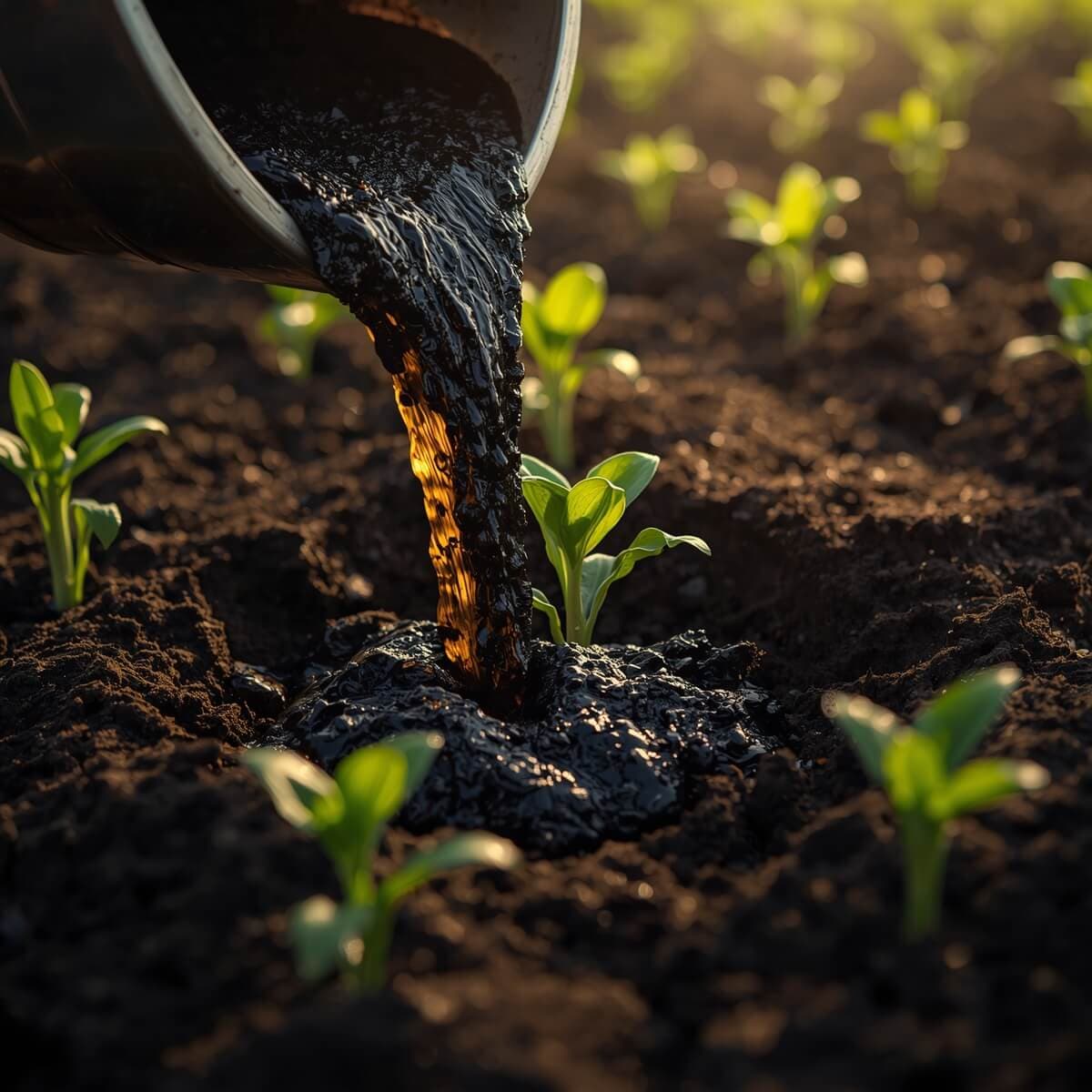
Discover why bio-slurry is the 'Black Gold' of biogas. Boost crop yields by 70%, save on fertilizer, and unlock the true value of waste management in Kenya.
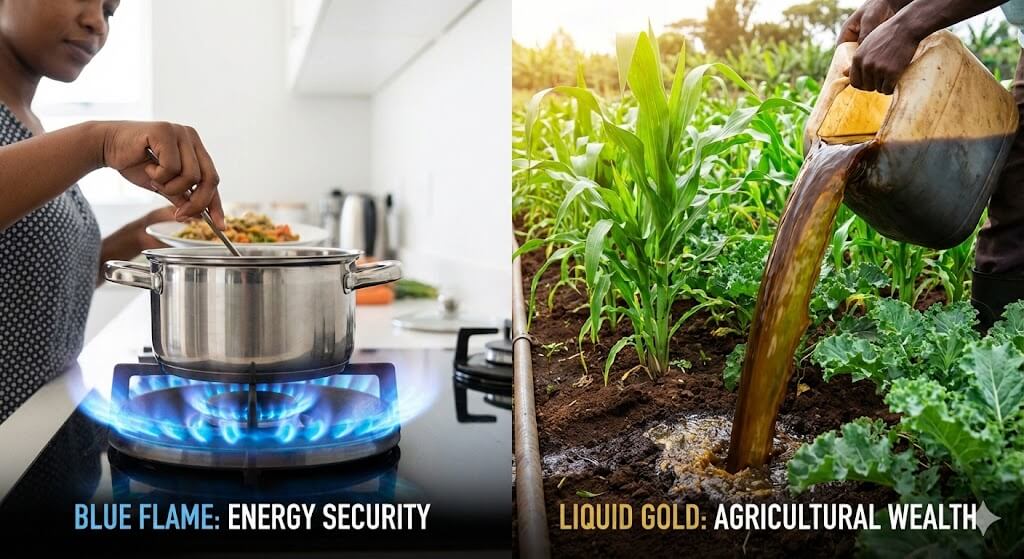
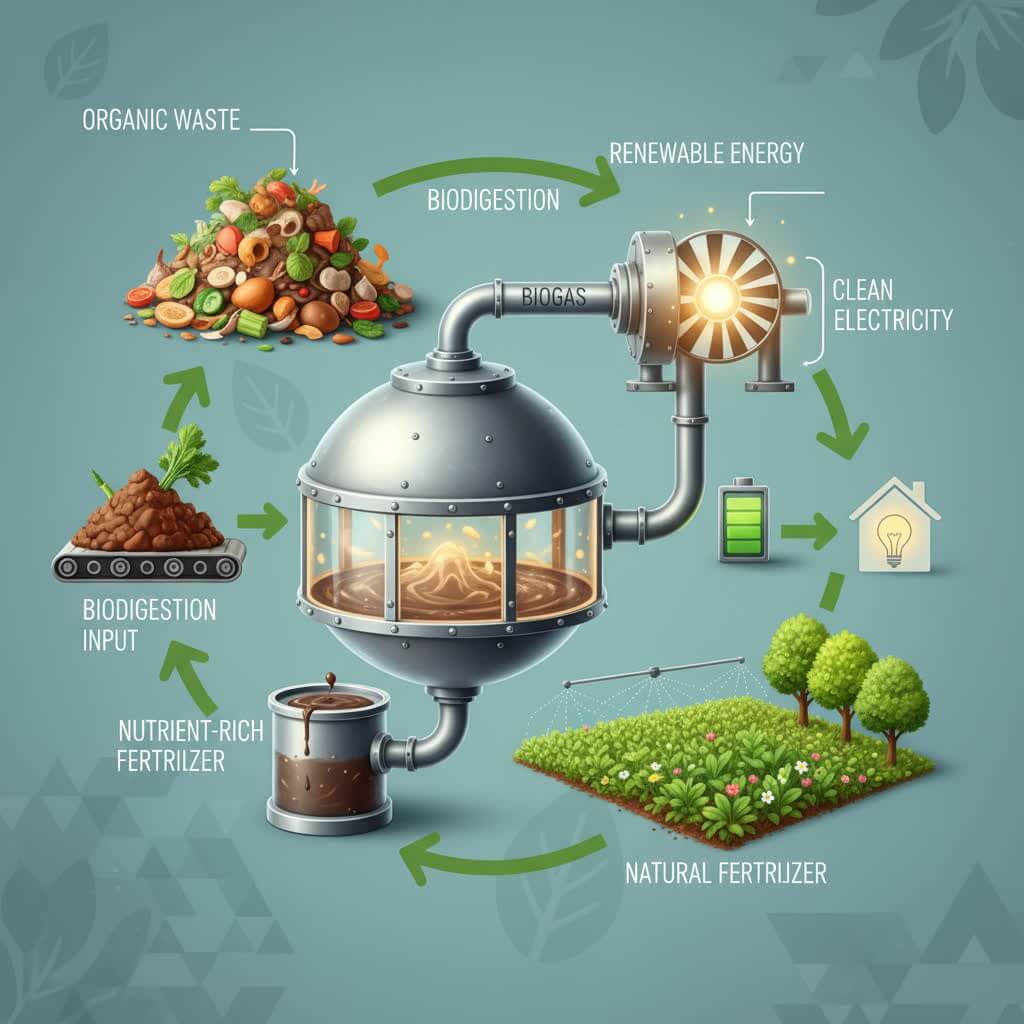
Let me paint you a scenario: the kitchen is quiet, save for the hiss of a blue flame flickering under a pot of beans. For millions of households across Africa, this sound means a final goodbye. Goodbye to buying expensive LPGs, charcoal smoke, or fetching firewood. Now, as we move through 2026, a new realization has been had outside the kitchen. While the gas does provide the energy, the dark liquid from the biodigester’s outlet provides the “wealth”. This is bio-slurry, the “black gold” of modern waste management. If you thought a biodigester was just about free cooking gas, you may be seeing half the picture. In fact, current data suggests that for the average farmer, the fertilizer value of bio-slurry is worth up to three times more than the energy produced.
Most farmers are used to applying raw manure in the fields, but soil is a “picky eater”. Raw manure can take months to break down, carries harmful pathogens, and can actually “burn” your crops if applied too early. The secret lies in the fermentation advantage of anaerobic digestion. Inside the digestor, bacteria “pre-digest” organic waste. This process unlocks previously trapped nutrients, making them immediately available for plant roots to absorb.
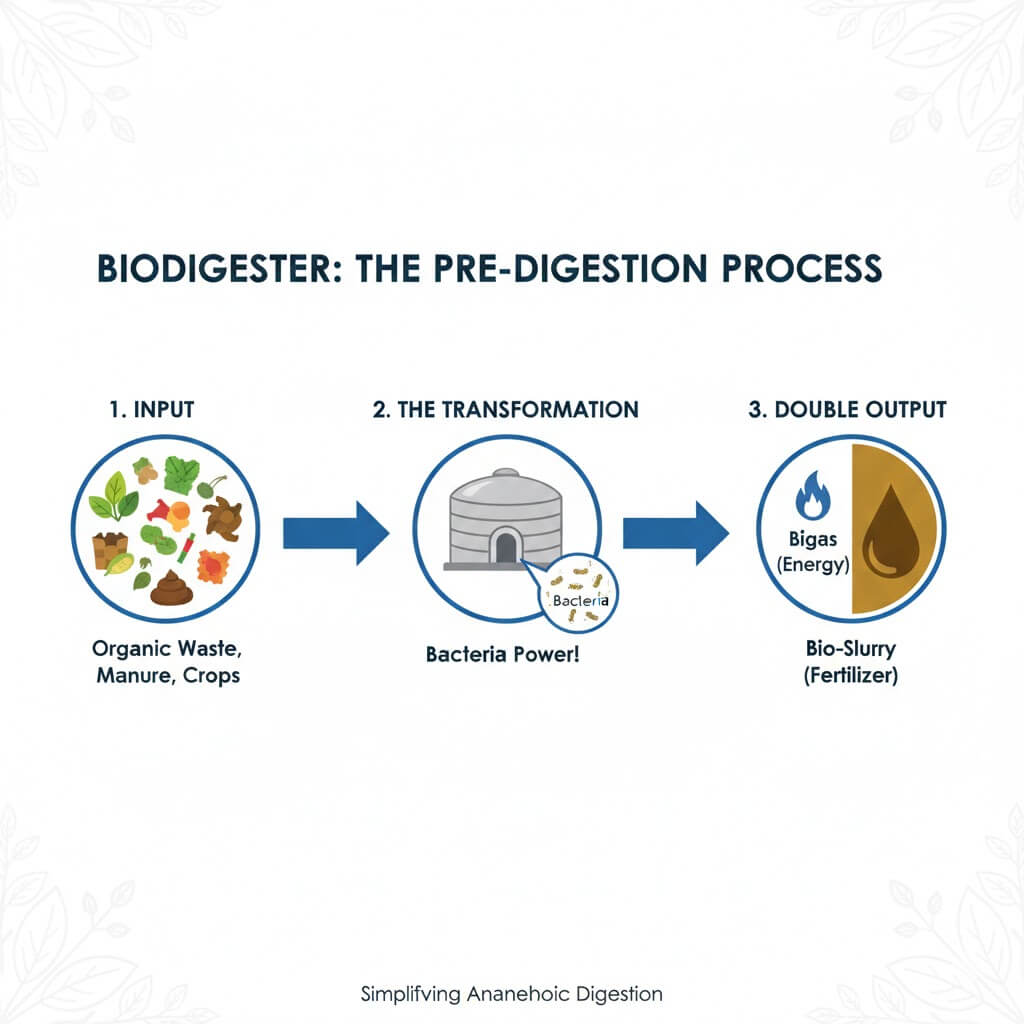
The Nutrient Breakdown
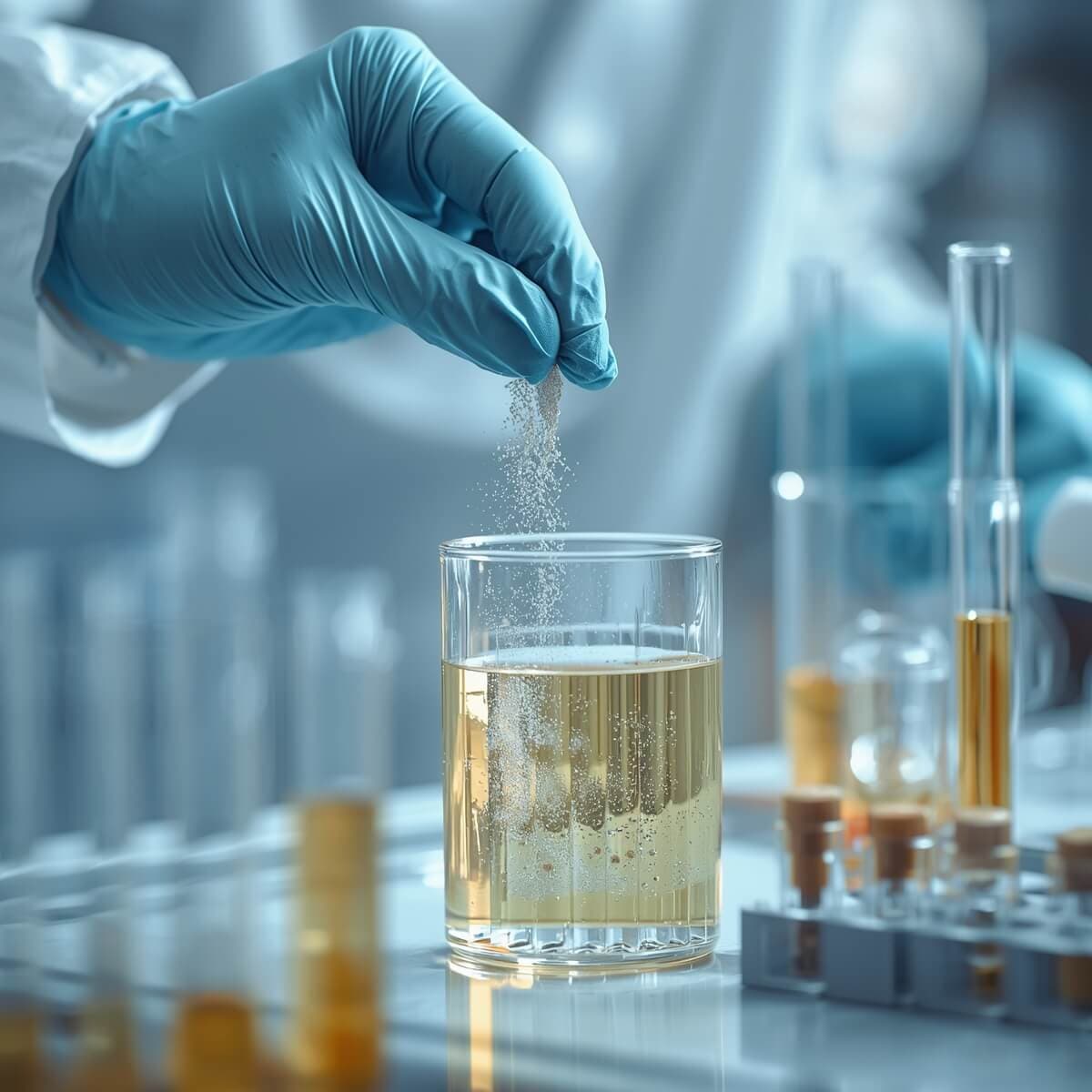
Unlike synthetic NPK fertilizers, bio-slurry is a living, organic cocktail:
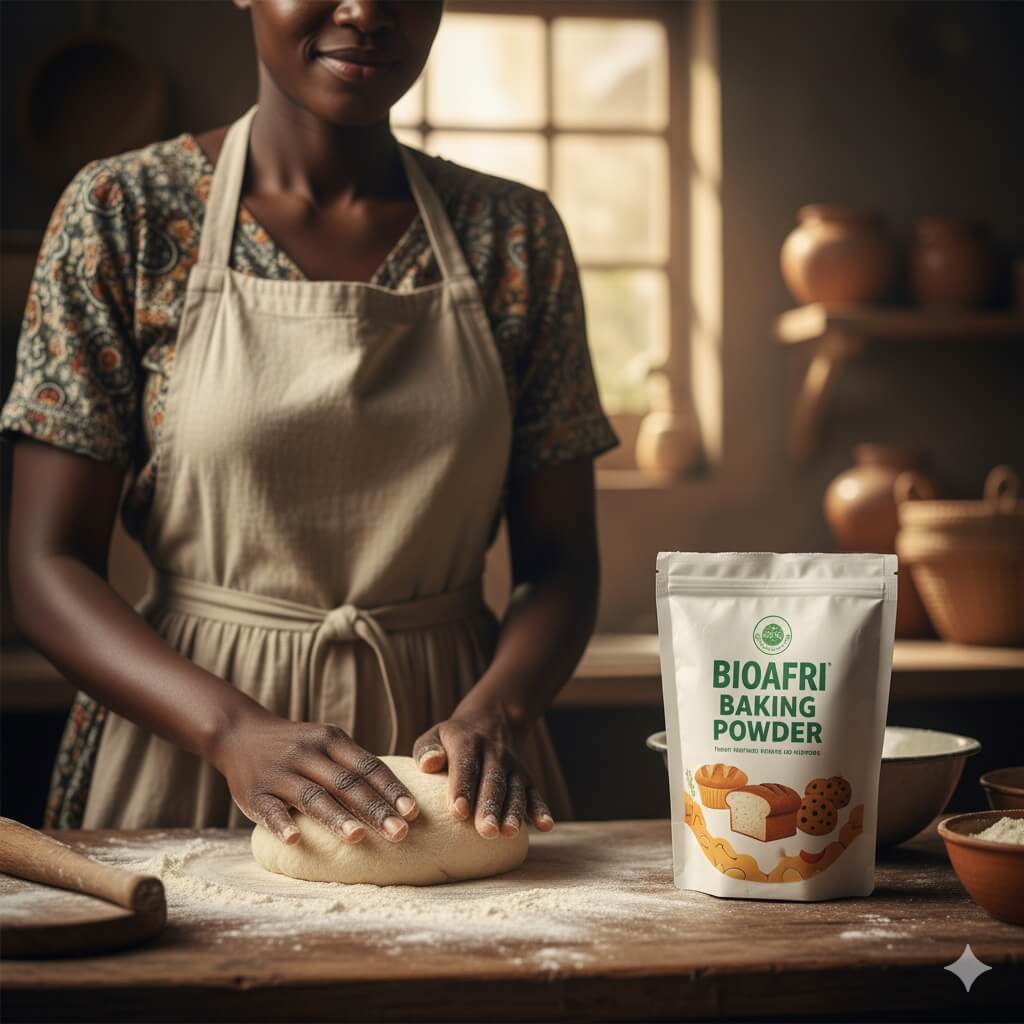
Bio-slurry is no longer just a backyard fertilizer, it is becoming a branded African commodity. This is largely due to:
Consider the story of Maria, a dairy farmer in Tanzania’s Arusha region. For years, Maria struggled with saline, "dead" soil that barely supported scrub grass. After installing a biodigester, she began a disciplined regimen of applying diluted bio-slurry to her plot.
The Result? Within two seasons, the soil structure was transformed. The organic matter neutralized the salinity and restored the soil’s water-holding capacity. Today, Maria doesn't just feed her family; she runs a commercial enterprise, supplying fresh vegetables to local hotels."The gas is a gift for my lungs," Maria says, "but the slurry is the inheritance for my children."
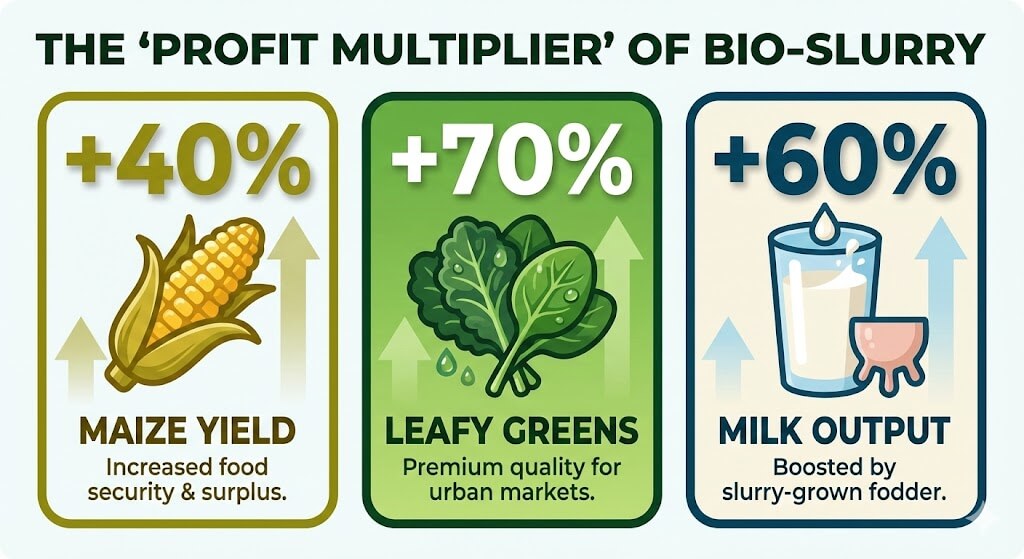
We must stop viewing biodigesters merely as tools to replace charcoal or LPG. They are, in fact, decentralized fertilizer factories that hold the key to Kenya’s food security. The blue flame saves the forest, but the liquid gold saves the farm. As we look toward a prosperous 2026, the question Bioafri Solns asks isn't whether you can afford a biodigester but whether you can afford to keep throwing your "black gold" away.
What’s your take? If you had to choose between free cooking gas for a year or doubling your crop yield this season, which would you pick? Let us know in the comments below!
Comments
No comments yet. Be the first to comment!